Marketing Efficiency Ratio Increased by 37%
59% Increase in New Customer Growth
92% Increase in Repeat Customer Sales

About the Brand
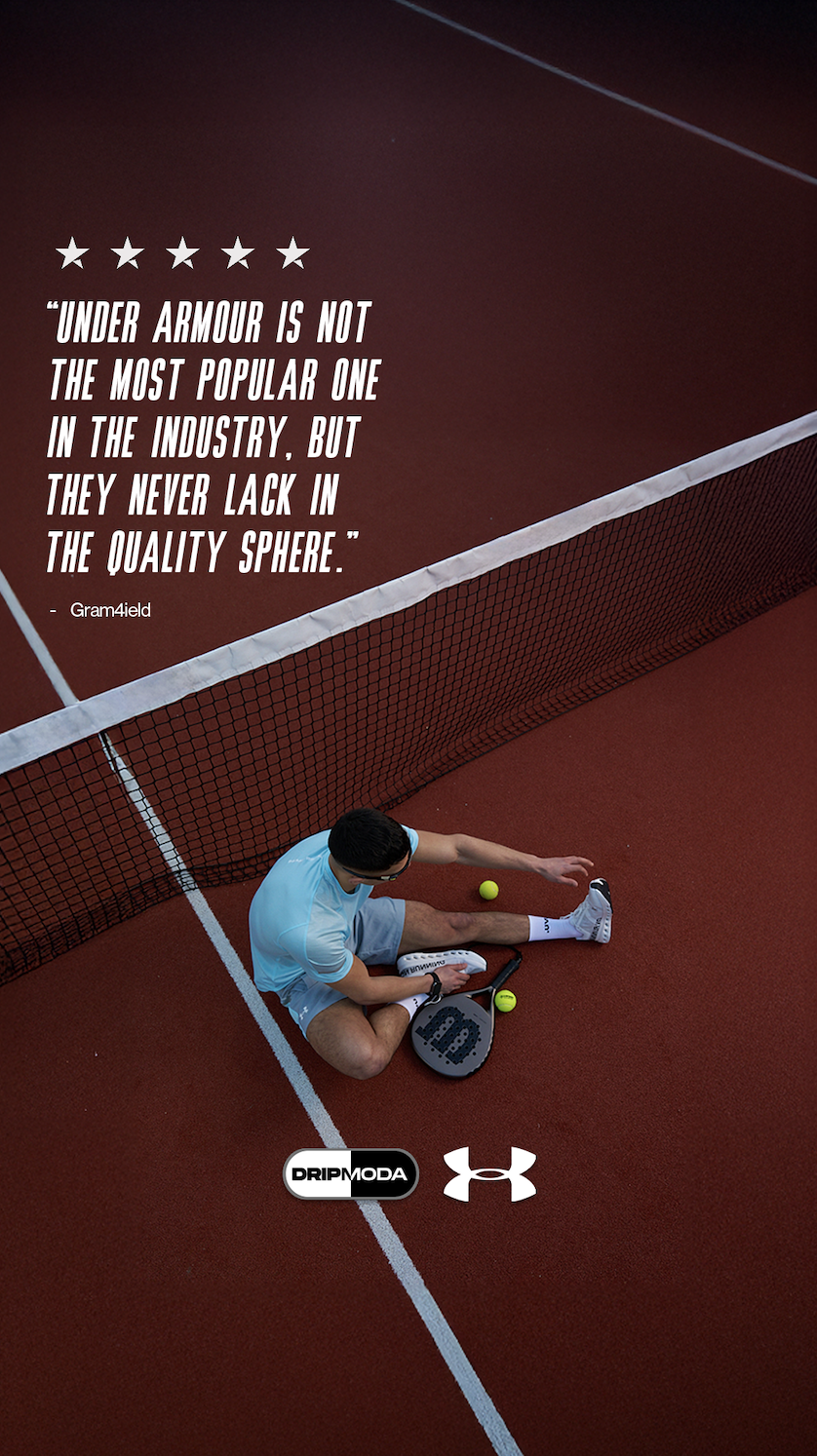
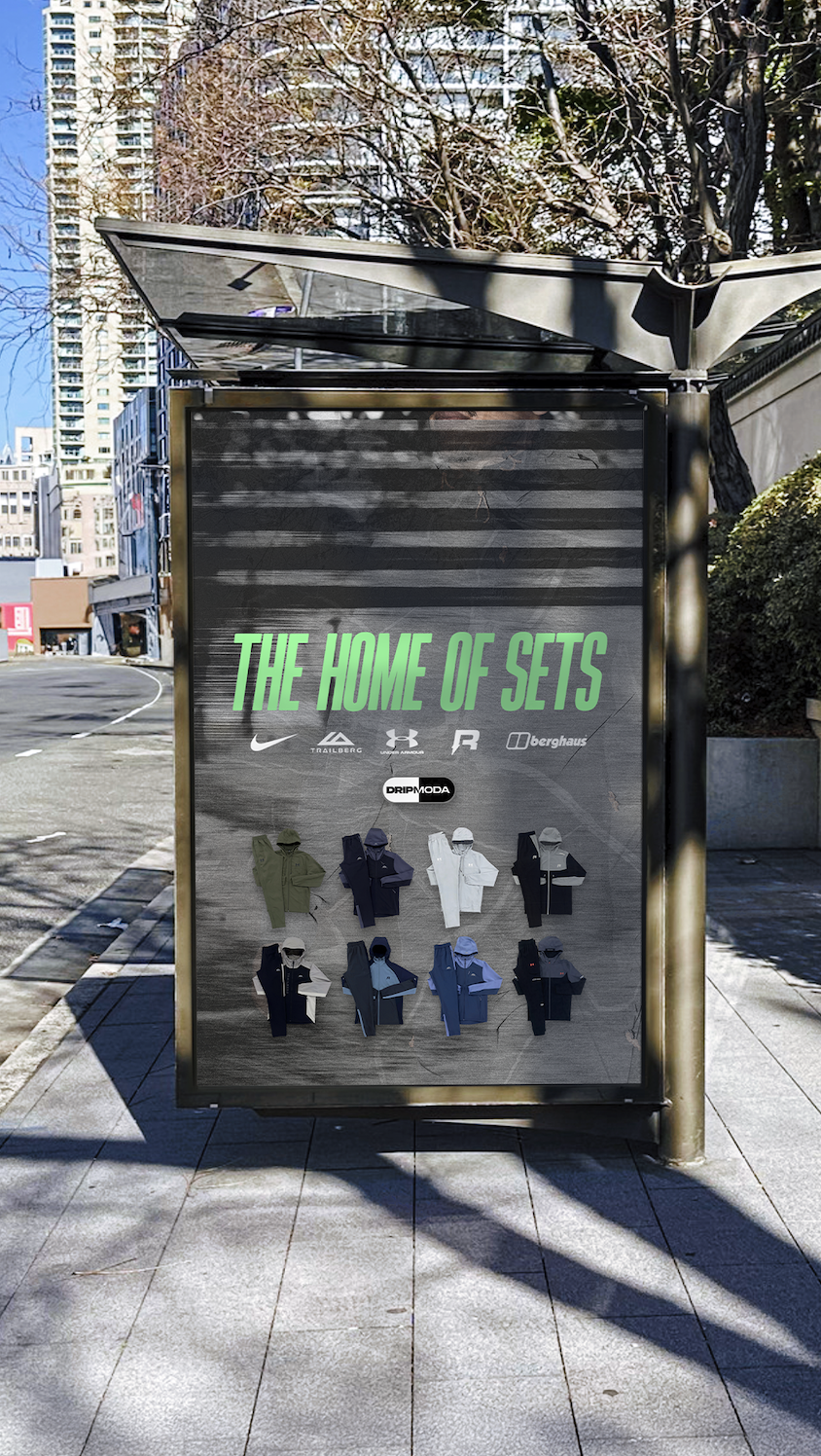
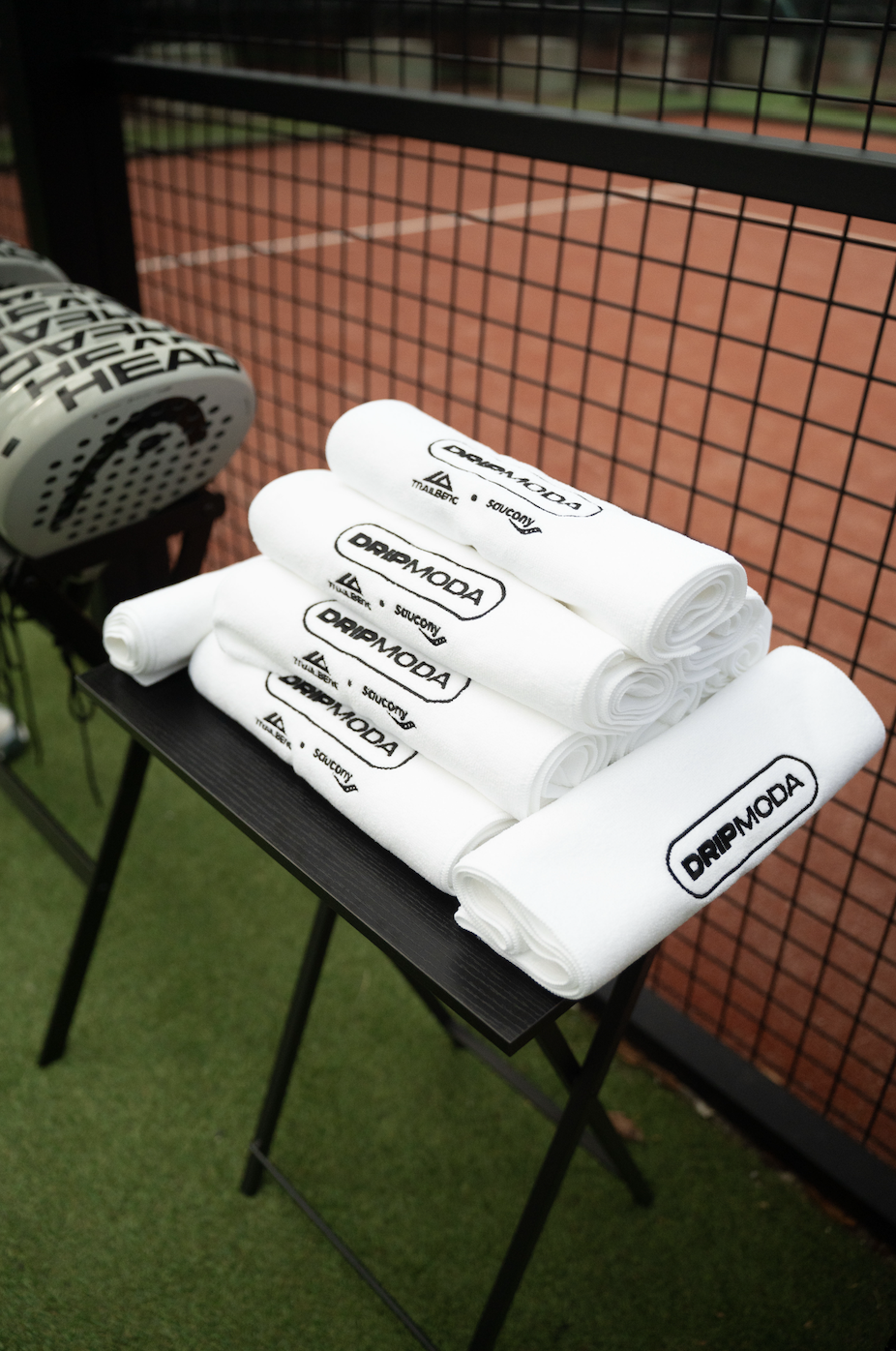
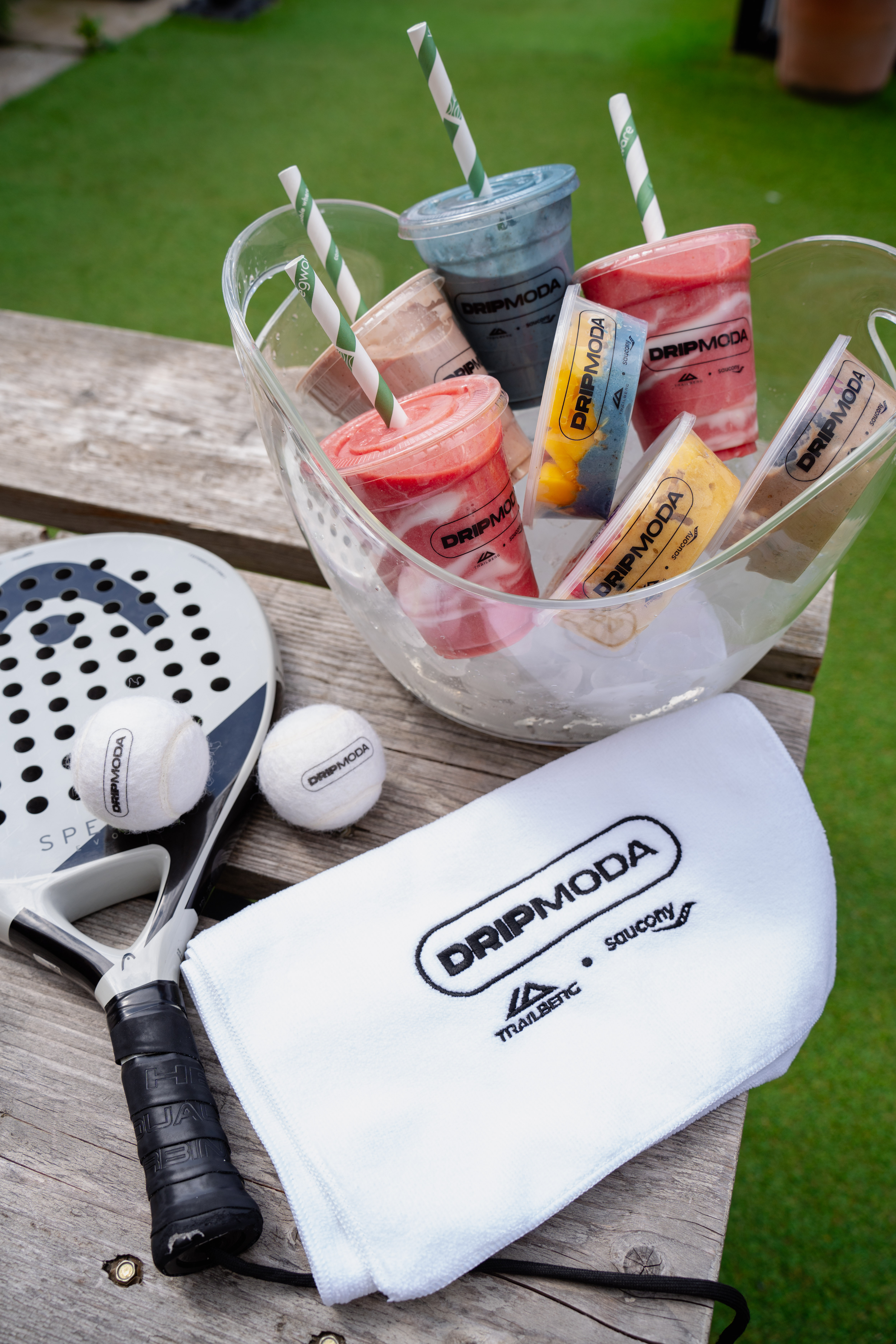
Drip Moda has been on a growth journey since 2019, and they've become one of the fastest-growing brands in their space along the way. Selling unique activewear pieces, they've built a strong, fiercely loyal community of customers. Today, Drip Moda is a category-leading DTC brand with physical stores, run clubs and much more, adding rich layers to an already strong brand.
Drip Moda came to Prospa wanting to grow their Meta account, but we quickly expanded into supporting the full acquisition and retention picture. As one of Prospa's longest-standing clients, we're proud of how far we've come together. Our team has driven growth across new and existing customers alike, and supported several product launches, including Drip Moda's own line. Cutting through in such a saturated industry is tough, but our creative flair has helped them do exactly that.
The Challenge
Expanding new customer growth in a highly saturated market
The UK sportswear and activewear market has been one of the fastest-growing retail categories of the last few years, but that growth has a cost. More demand has pulled in more competition, from established giants to a fast-moving wave of challenger brands, all fighting for the same pool of customers. That saturation shows up in two ways: rising acquisition costs, as paid channels get more expensive and harder to differentiate on, and a customer base with more choice than ever, making loyalty harder to earn and easier to lose.
Launching new brands without losing momentum
As the business shifted from a reseller model to a full retailer model, the team had to rebuild its approach across every channel and keep rebuilding it. Each new brand launch meant fresh campaign and account setup, new creative direction, and a different product selection process, often running in parallel with brands already live. Layered on top of this was an awareness problem: an established brand and a brand launching cold need fundamentally different marketing approaches, from how you frame messaging to how much top-of-funnel spend you need before performance channels can even work. Running both playbooks at once, across a growing brand portfolio, meant the team couldn't rely on a single repeatable formula; every launch demanded its own strategy.
Pivoting to brand building opposed to product sell-through
As the brand scaled, optimising purely for sell-through stopped being a strategy for growth, it became a ceiling on it. Sell-through is a short-term lever: discounts, urgency, promo cadence. It moves units now, but it trains customers to wait for a deal rather than want the product, which erodes margin and loyalty over time. Shifting away from that meant a real mindset change for both teams: prioritising brand equity and customer lifetime value over immediate conversion, even when the short-term numbers looked harder to justify. It's a harder case to make internally, sell-through is easy to measure, brand-building pays off on a longer curve but it's the difference between a brand customers choose and a brand customers wait to be discounted.
From blast email sends to a predictable revenue engine
The brand had built a strong, organic community but its email list, one of its biggest owned assets, was being underused. Sends were going out to the entire list regardless of relevance, which hurt deliverability and dragged down account performance over time, making the channel less effective with every blast. In fashion, where repeat purchase and community loyalty drive a huge share of revenue, that's a costly gap. The opportunity wasn't just to email more, it was to segment properly, sending the right message to the right customer at the right point in their journey, so retention became a stable, compounding revenue channel rather than an inconsistent one.

Our Solutions
Building an Evolving Paid Creative Machine
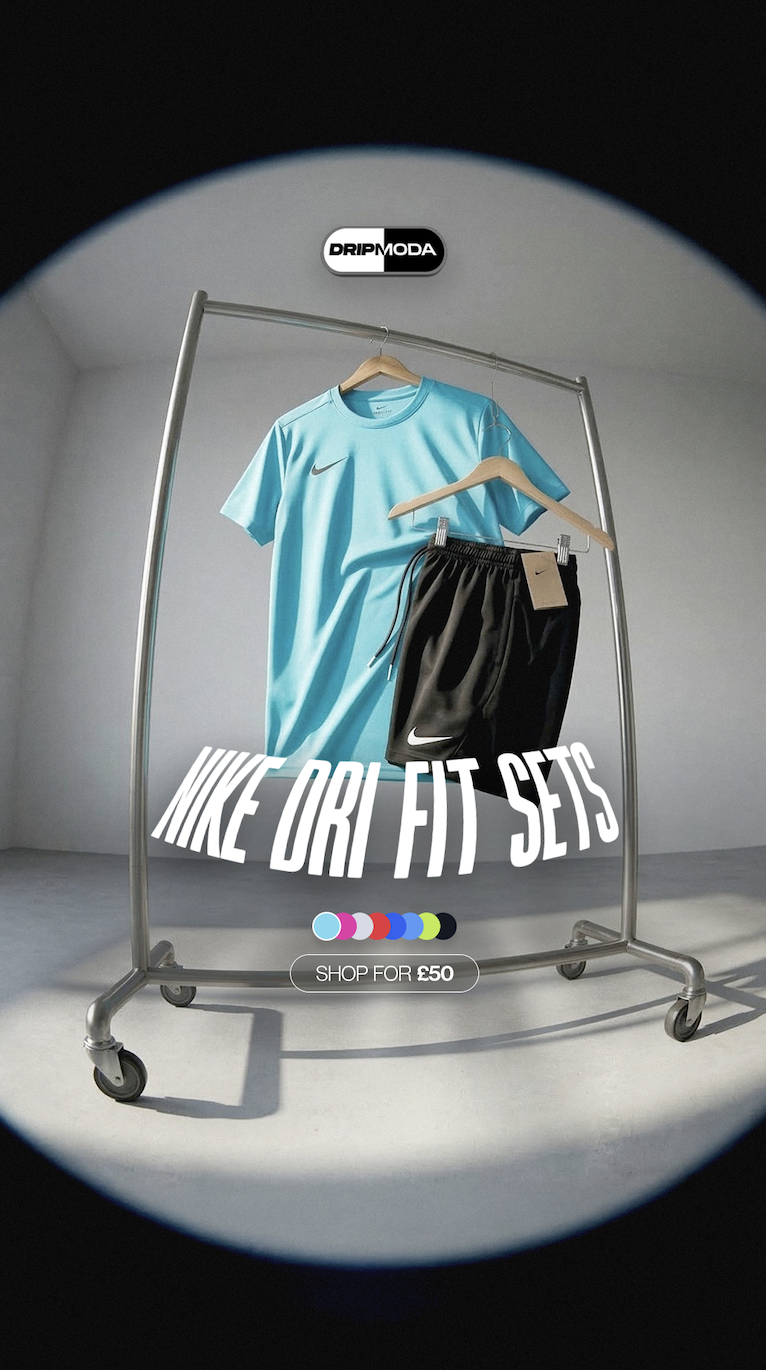
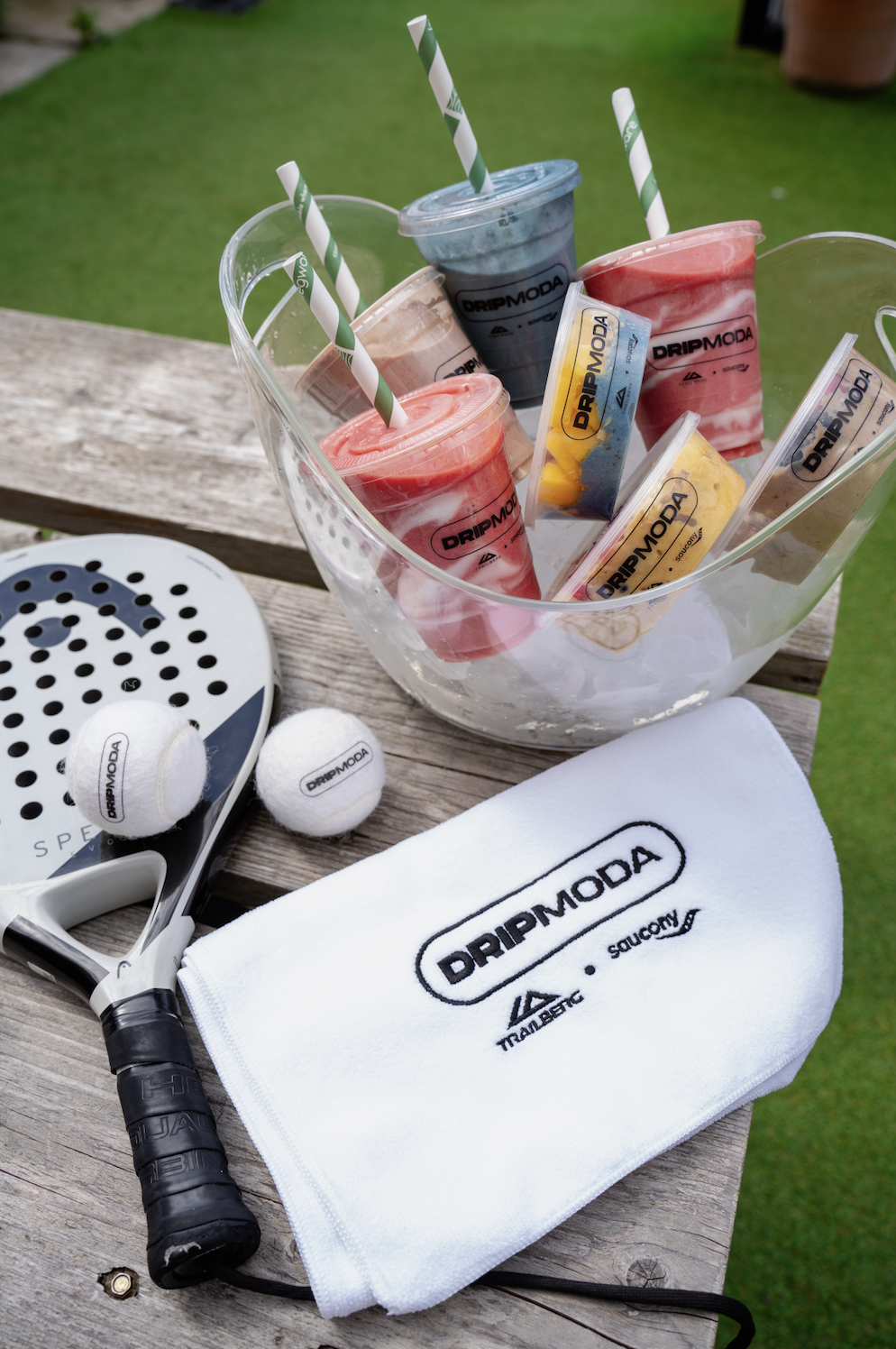
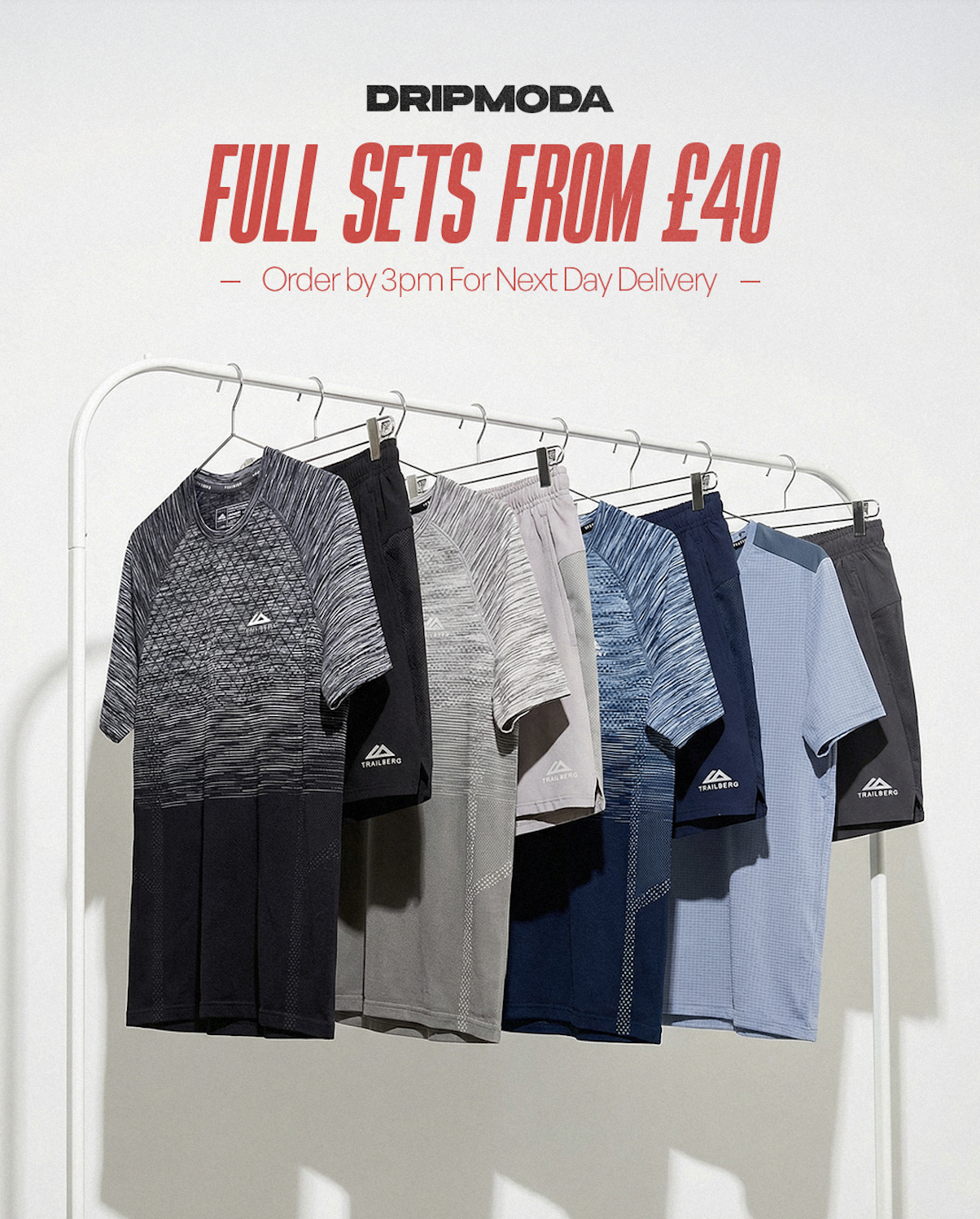
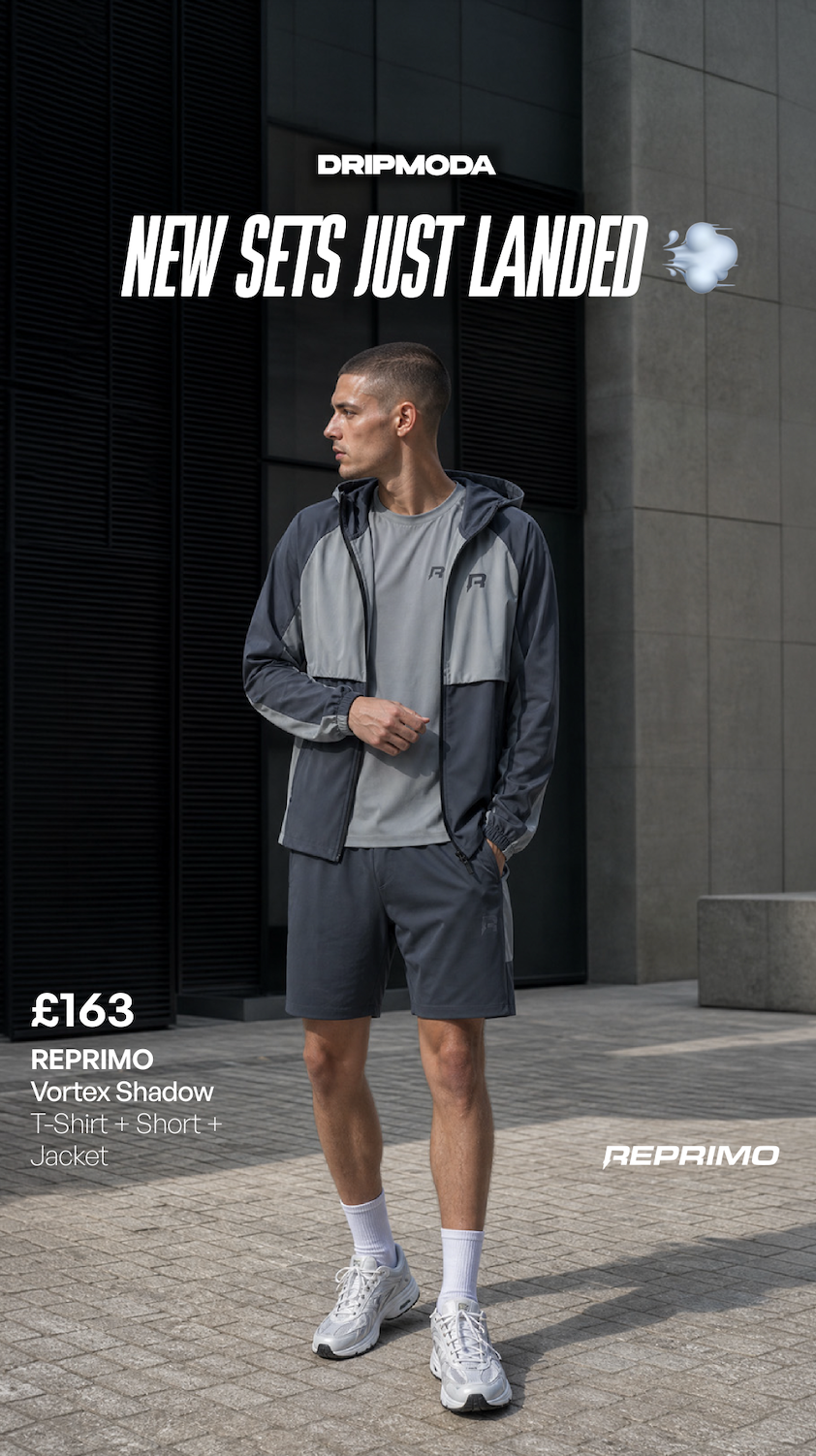
Creative is the area that's evolved the most since we started working with Drip Moda. Every quarter brought a different approach, driven both by Drip Moda's shift toward becoming a retailer with frequent new product launches, and by the broader move toward brand-building covered earlier. That shift took creative from product-led, dynamic flatlays to something far more diverse: lifestyle content, in-store filming, and native formats that consistently outperformed; fit checks, run club content, unboxing, product-in-hand, and in-store. Underpinning all of it was a clearer picture of who we were actually speaking to: the team invested heavily in defining Moda's persona and ICP, so every format and every piece of creative could speak directly to that exact customer rather than a generic one.
Turning Product Data into Profitable Growth
With a high number of active SKUs, spend decisions couldn't be made on revenue alone. The team built a habit of regularly reviewing product-level reports across every channel, tracking stock levels and margin together so budget went toward products that drove actual profit, not just topline sales. That same discipline also surfaced opportunity: by watching product performance closely, the team could spot emerging SKUs gaining momentum early, often before they showed up in broader trend data, and shift spend toward them while that momentum was building rather than after it peaked.
Introducing Design Control to Dynamic Ads
Dynamic ads have been core to the strategy from day one, but standard DPA formats came with a trade-off: powerful targeting and automation, at the cost of design control. Integrating DPA software closed that gap — giving the team back creative control over layout and design while still benefiting from product sets and the format's automated targeting. That extra control mattered beyond aesthetics. It meant dynamic ads no longer had to lean purely on urgency and sell-through to perform, they could carry brand-building creative too, while still delivering the personalised, always-on experience that makes DPA effective. The format kept doing its job; it just stopped being the thing pulling against the brand work happening everywhere else.
A Segmentation Strategy Built Around the Customer
With a list of that size, segmentation was always going to be the highest-leverage move. The goal was to stop treating the list as one audience and start focusing on customers based on what they actually wanted to engage with: specific content, offers, or products. Once those segments were clearly defined, the team could build campaign strategy around them directly, rather than running one approach across the whole list and hoping it landed. That shift turned the list from a single broad channel into a set of targeted ones, each suited to a different customer need.


The Results
Marketing Efficiency Ratio Increased by 37%
59% Increase in New Customer Growth
92% Increase in Repeat Customer Sales
Client Feedback











.jpg)